
Guide To Home Modifications For Seniors
Jade Knight February 5, 2024
Jade Knight February 5, 2024
Many seniors express a desire to continue living in their own homes so that they can stay in a familiar environment and keep accessing their community. Maintaining independence as you age benefits your emotional, cognitive, and physical health. However, aging can bring about a number of health and mobility challenges that may create safety issues if you remain in your home.
Fortunately, home modifications provide a practical and effective solution to this issue. Adapting the layout of your home or installing extra safety features will allow you to maintain your independence without risking your safety. If you or a loved one is planning to age in place, you should know what type of modifications are available and how you can fund them.
There are virtually endless modifications you can make to your home to ensure its safety and accessibility. Some are quick and easy solutions that you can install yourself, and others are larger renovation projects. An occupational therapist can assess your safety needs and recommend modifications that will allow you to continue living at home. The following are some of the most common home modifications for seniors:
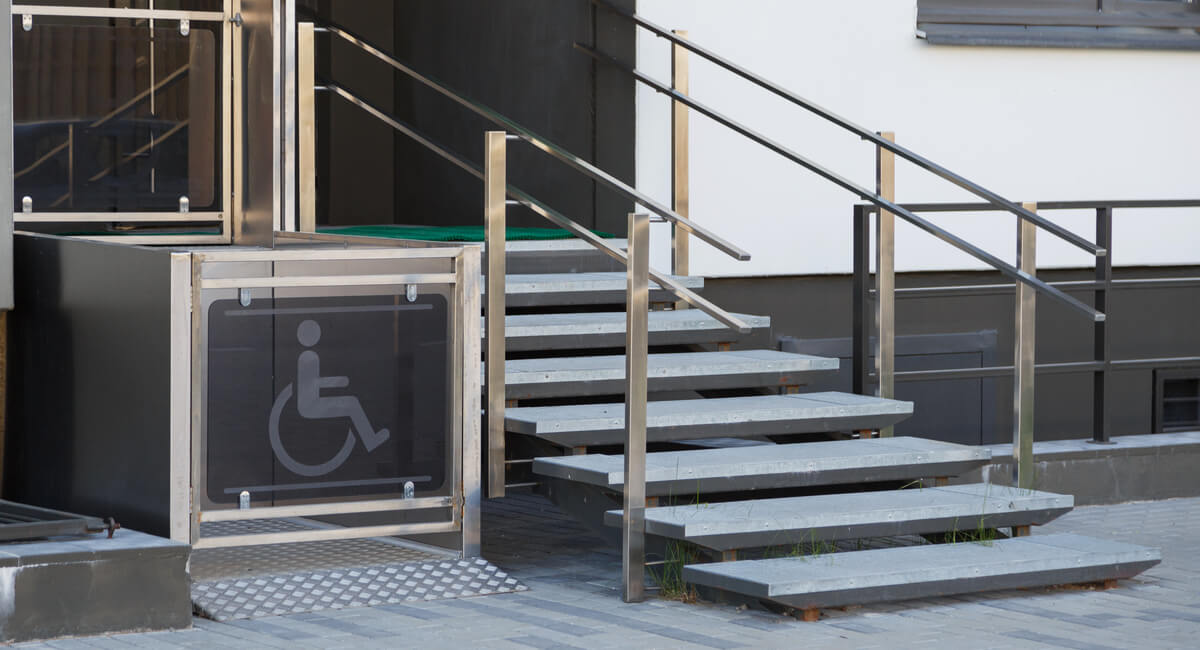
If you use a wheelchair or walker, navigating stairs can be difficult or impossible. One of the most common home modifications is a ramp installation at the front entryway. Threshold transition ramps are another great tool that help wheelchairs cross over raised doorways or landings. These can be used at entryways or in doorways throughout the house. Chair lifts also allow you to continue accessing the basement, attic, or second floor of your home.
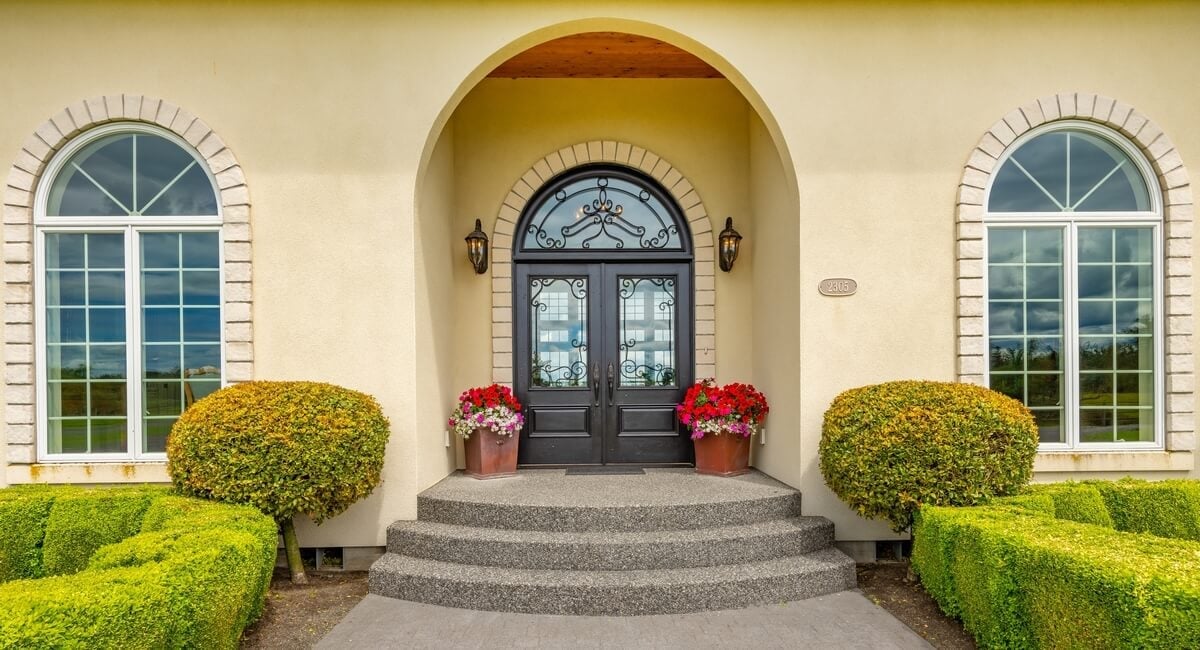
Narrow doorways or hallways can create challenges for seniors who rely on walkers or wheelchairs. This is an especially common problem in older homes. Expanding the width of the doorways or hallways can help you safely and easily navigate your entire house. This project can be a big undertaking depending on the layout of your home, but it may be a necessary modification to maintain your independence.
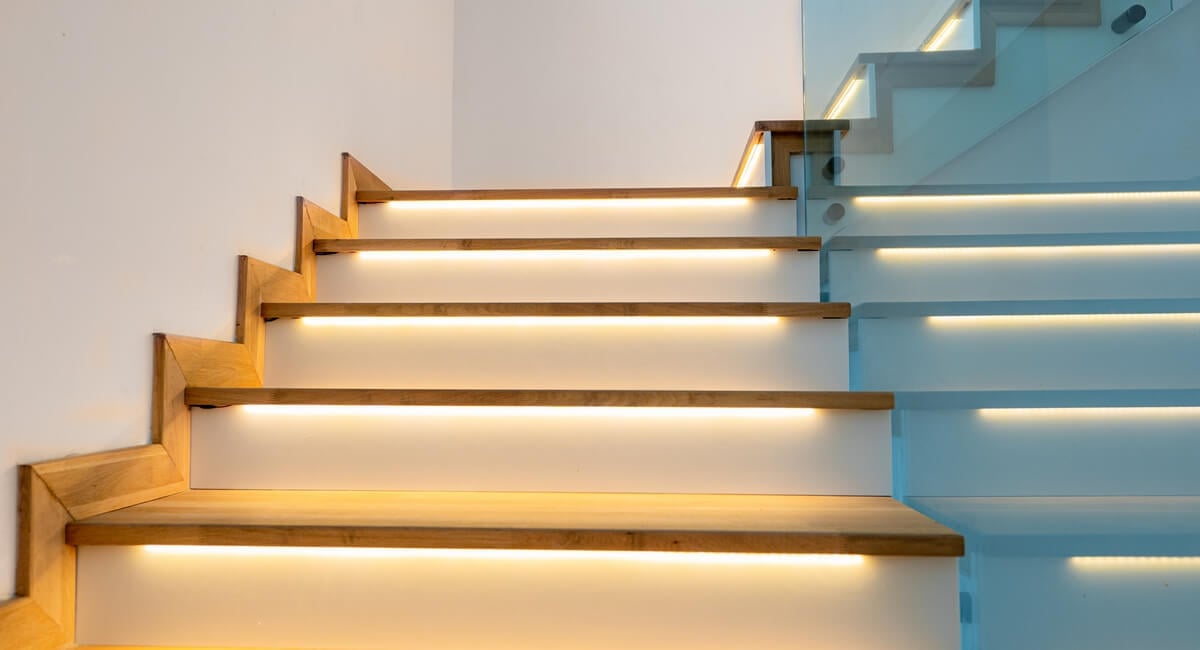
Installing extra lighting features is a simple and low-cost way to promote safety in your home. Adequate lighting on the stairs is especially important, so you could plug night-lights into the outlets or install new overhead lighting fixtures. If you have joint pain or limited dexterity, you could install oversized light switches to make turning the lights on and off easier.
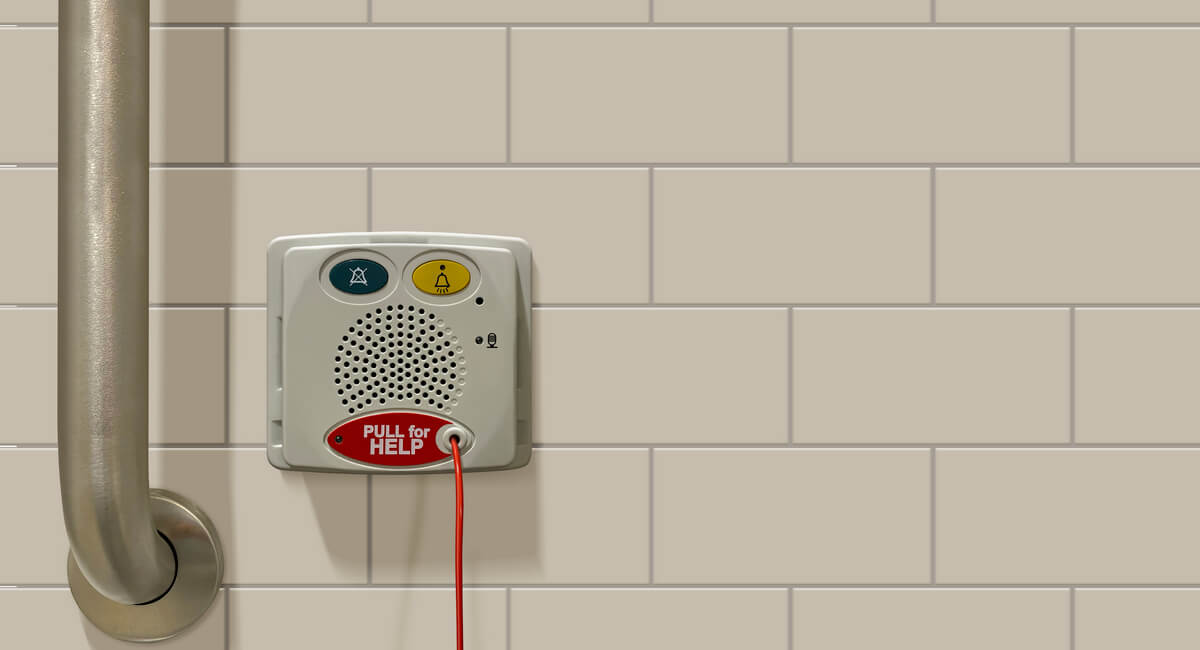
The bathroom is one of the riskiest rooms for seniors because of the risk of slipping and falling. There are a number of ways you can make the room safer and more accessible. Grab bars next to the toilet and inside the shower can help prevent falls. It’s best to have these professionally installed to ensure they can support the full weight of a person. If stepping in and out of the bathtub is risky, consider replacing the tub with a walk-in shower. A shower chair or bench can also help you or your aging loved one maintain independence with bathing. Non-slip bath mats are another essential item for seniors living at home.
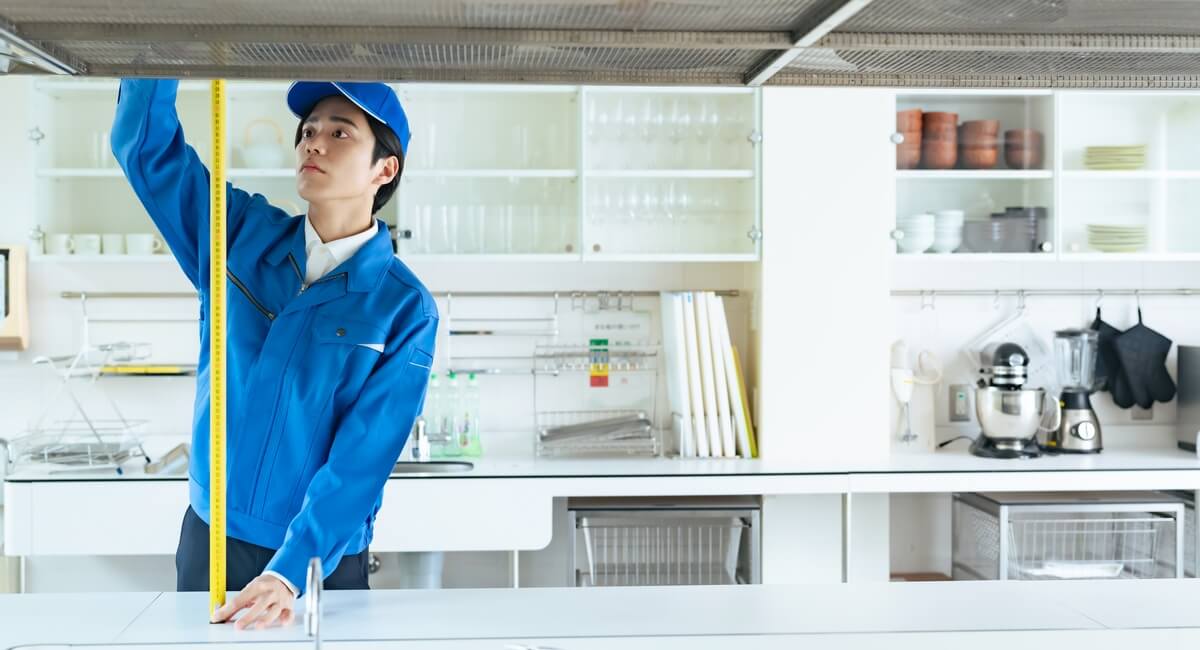
Kitchen modifications are another valuable way to ensure you can maintain independence in your home. If you use a wheelchair, you could lower the placement of the sink and counters so they’re easier for you to access. You could even get an adjustable countertop that can be raised and lowered. Painting the edges of the countertops so they’re highly visible can reduce the risk of bumping into them. You can also make the kitchen more accessible by ensuring the most frequently used items are stored in easy-to-reach locations.

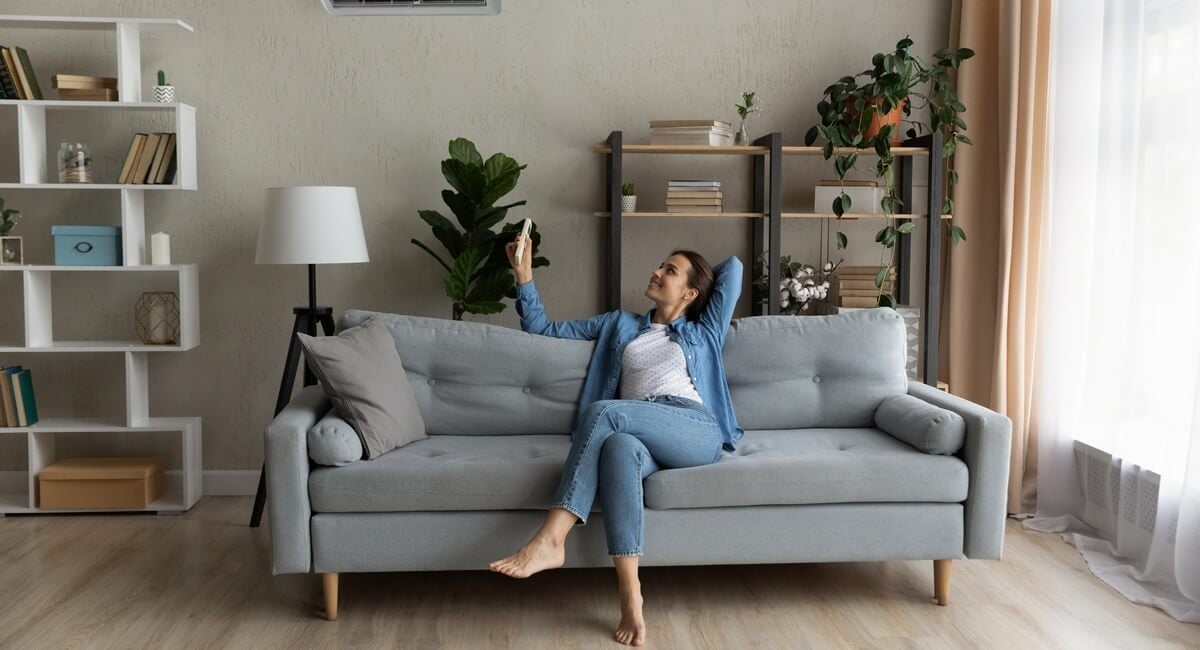
Smart home systems are highly customizable, so they’re a great option for seniors aging in place. You can control smart technology by voice or with your smartphone, which is especially helpful for those with limited mobility or dexterity. Some of the most common smart home options include smart thermostats, ovens, lighting, and security systems. You can even purchase smart sensors that detect and report falls.
Funding is the primary concern for most seniors who want to age in place. Some modifications cost little to no money, but others are much more costly. Here are some key financial resources to explore:

Unfortunately, Original Medicare does not cover home modifications in most circumstances. However, the program can provide some assistance. Medicare Part B will fund an evaluation from an occupational therapist, which will help you determine what modifications are necessary. In some cases, Medicare may also fund bathroom modifications. Medicare Advantage, or Medicare Part C, may cover home modifications when they’re deemed medically necessary. These plans vary from provider to provider, so it’s important to research Medicare Advantage carefully to decide if it’s the right choice for you.

Medicaid provides health benefits for low-income seniors. While basic Medicaid does not cover most home modifications, the Medicaid Home and Community Based Waiver program does. This program allows seniors to receive care at home as an alternative to assisted living or skilled nursing facilities. Applying for the waiver and securing funding for home modifications can take a year or longer, so if you plan to pursue this option, you should act now.

Many states and municipalities offer home modification grants for seniors in need. Some also offer low-interest or no-interest loans for low-income older adults. You can contact your town office to ask what resources are available to you. Your local senior center can be a valuable source of information, too.

If you’re a veteran, the Veterans Administration will be one of your best resources for home modification funding. The VA offers several grants for home modifications. The Home Improvements and Structural Alterations (HISA) benefit provides funding for a wide variety of medically necessary home modifications. Your disability does not have to be related to your military service to qualify for this grant. The Specially Adapted Housing (SAH) grant provides funding to make your home wheelchair accessible if you have a service-connected disability. The Special Housing Adaptation (SHA) grant covers modifications for veterans that have specific service-related disabilities, including blindness, burn injuries, respiratory injuries, and the loss of the use of their hands.

Some nonprofits award funding for home modifications to seniors in need. Others offer direct assistance by providing the equipment or labor at no cost. Skilled volunteers will complete the modifications so that you can continue living safely at home.

Private financing can be an effective way to fund home modifications if you’ve exhausted your other resources. Reverse mortgages, home equity loans, and home equity lines of credit all allow you to tap into your home’s equity to fund home modifications or other expenses. A personal loan is another option to secure funding. However, all of these borrowing options require repayment with interest, so you should consult with a financial advisor before taking one on.
If you plan to age in place, home modifications may be necessary to maintain your health and safety. Sometimes, seniors need just a few simple changes to their environment. In other cases, more extensive modifications are required. There are a variety of funding sources available for these larger projects, so you should carefully research your options to determine your best course of action.
Stay up to date on the latest real estate trends.
Which is why any time a bank ends up taking possession of a home by means of a foreclosure.
If you absolutely must buy a home before you sell yours, you should at the very least do the following.
Sinking funds allow you to save up gradually for bills that you know will arrive in the future.
So if you wish to hold an open house, make sure you host an agent and broker only open house.
Financing
Funding Your Dream Home Renovations - HILLTOP Team
Real Estate
Buying a house with your partner is an incredibly exciting prospect, but it’s also a huge commitment.

When buying a home, the down payment and the monthly mortgage are only the beginning of your expenses.
Real Estate
The vast majority of millennial home buyers, especially young millennials, are first-time buyers.
In addition to all of the economic and practical reasons for purchasing a single-story home.