
Spot A Walkable Neighborhood
Jade Knight October 2, 2023
Jade Knight October 2, 2023
Walkable neighborhoods offer a great deal of value to their residents. When everything you need is easily accessible by foot, you feel a stronger connection and sense of belonging in your neighborhood. If you can’t drive or don’t own a car, living in a walkable community is a necessity. However, determining whether or not a neighborhood is truly walkable can require a bit of research. Here are 10 tips to spot a walkable neighborhood:

Safety should be your top concern when evaluating if a neighborhood is walkable. Unfortunately, many areas throughout the United States are not safe or accommodating for pedestrians. In a walkable neighborhood, you should feel comfortable and welcome to walk around the community. Sidewalks, crosswalks with pedestrian signals, and street lights are all essential features of a walkable neighborhood. Without this infrastructure, you won’t feel at ease walking from place to place.
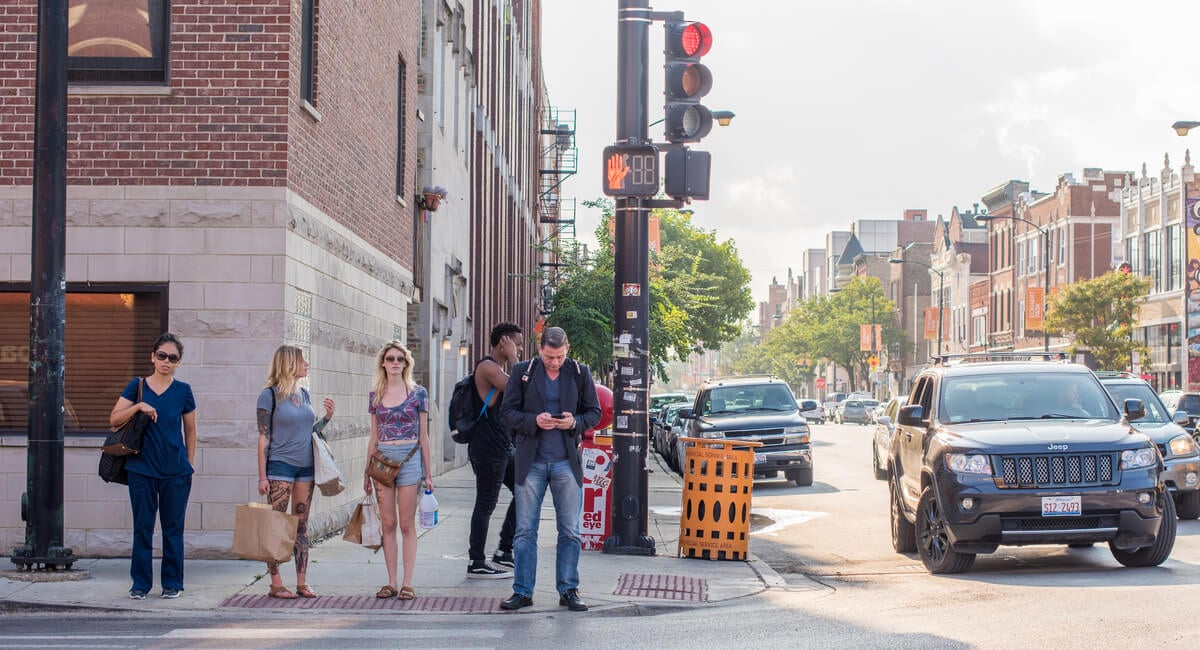
In addition to safety considerations, there are a number of other pedestrian-friendly features to look out for. This will help you confirm that the city cares about pedestrians and wants to help residents access their community on foot. Benches, trash cans, drinking fountains, and trees that provide shade along the sidewalks are all good signs that a neighborhood is genuinely walkable. The sidewalks should also be wide enough that you can easily pass by someone without stepping into the road or grass. Additionally, if the region gets snow or ice in the winter, try to confirm if the sidewalks get cleared after a storm.

Walkable cities typically have a central hub where most of their amenities are located. This may include shops, restaurants, schools, the library, and public parks. If you’re evaluating if a home is in a walkable neighborhood, try to find this central gathering space. How far is it from the home? Is it safe to walk there? If all of the town’s stores and public spaces are spread out in different locations, it may be a sign that you’d need a car to live there.
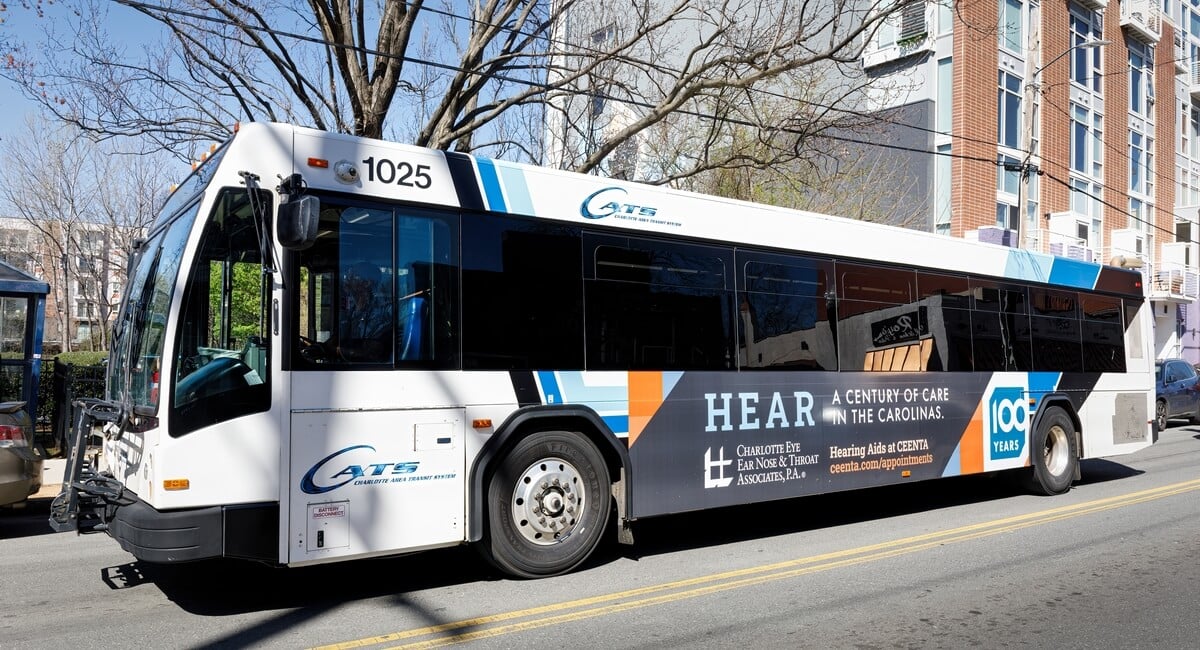
There’s a strong connection between extensive public transportation systems and walkability. Although not every walkable neighborhood has great public transit, it’s an important feature for many people who don’t drive. You may be able to reach most destinations on foot, but public transportation provides you with far better access to a wider variety of locations. Research the bus or train map and schedule to see if you could easily use public transportation to reach your usual destinations. You should also look for feedback from locals to find out if the transit is reliable.

Testing your daily commute is a helpful way to assess your neighborhood’s walkability. If you live far from the area, use Google Maps to research the walking or public transportation directions. If you’re close enough to the neighborhood, you should test your commute in-person at the same time of day you’d actually be commuting. See how long it takes to walk or ride the bus to work, and look closely for any potential inconveniences that may arise during the commute.

A virtual tour is a valuable way to familiarize yourself with a neighborhood if you can’t visit in-person. Search for a grocery store, coffee shop, or other public location near the home. Then, use Google Street View to navigate virtually from the home to the destination. Although this isn’t a perfect substitute for exploring in-person, it can give you an idea of what the community looks like.

If you’re able to visit the neighborhood in-person, try to visit at varying times of day. A community can feel completely different at 10 a.m. on a Sunday than it does at 5 p.m. on a Friday. Visiting throughout the day and week will allow you to see how the activity and noise levels fluctuate and how that aligns with your lifestyle. For instance, if you have young kids, you may want your neighborhood to be lively and busy during the day but quiet in the evenings. Most importantly, you should check out the neighborhood at night to evaluate whether you’d feel safe walking home in the dark.

Researching online and exploring the neighborhood on foot are helpful ways to gather information, but the locals are your best resource when learning about a community. Check out the town’s Facebook group or Nextdoor communities to see how the residents speak about their neighborhood. You could even post your questions on the town’s Facebook page. If you can visit the neighborhood in person, try to connect face-to-face with some community members and ask their opinions on the area’s walkability, public transportation, and safety.

Promoting and maintaining walkability is often an active effort by community members and public officials. You can research local enforcement initiatives to see if the town is making an effort to protect pedestrians. For instance, some communities have campaigned to cite drivers who inch into the crosswalk, which forces pedestrians to step out into the road. When lawmakers and community members are committed to promoting safety and accessibility, it’s a great sign that the area is truly walkable and will stay that way.

Walkable cities often have close-knit communities of people who love to explore all that the neighborhood has to offer. Look for local walking or running groups or other clubs that bring residents together. One of the greatest benefits of a walkable city is that it encourages you to cross paths with your neighbors, and the best walkable communities actively promote those connections.
Living in a walkable neighborhood is essential for those without access to a car, but it can be an excellent opportunity for everyone else, too. True walkable neighborhoods are easy and comfortable to navigate on foot and prioritize pedestrian safety over vehicle infrastructure. To determine if a community is walkable, you should explore the area virtually or in-person, consult with the locals, and research what initiatives the city is taking to keep the area pedestrian-friendly.
Stay up to date on the latest real estate trends.

Which is why any time a bank ends up taking possession of a home by means of a foreclosure.

If you absolutely must buy a home before you sell yours, you should at the very least do the following.

Sinking funds allow you to save up gradually for bills that you know will arrive in the future.

So if you wish to hold an open house, make sure you host an agent and broker only open house.

Financing
Funding Your Dream Home Renovations - HILLTOP Team

Real Estate
Buying a house with your partner is an incredibly exciting prospect, but it’s also a huge commitment.

When buying a home, the down payment and the monthly mortgage are only the beginning of your expenses.

Real Estate
The vast majority of millennial home buyers, especially young millennials, are first-time buyers.

In addition to all of the economic and practical reasons for purchasing a single-story home.