The Benefits Of Downsizing Your Home
Jade Knight July 29, 2024
Jade Knight July 29, 2024
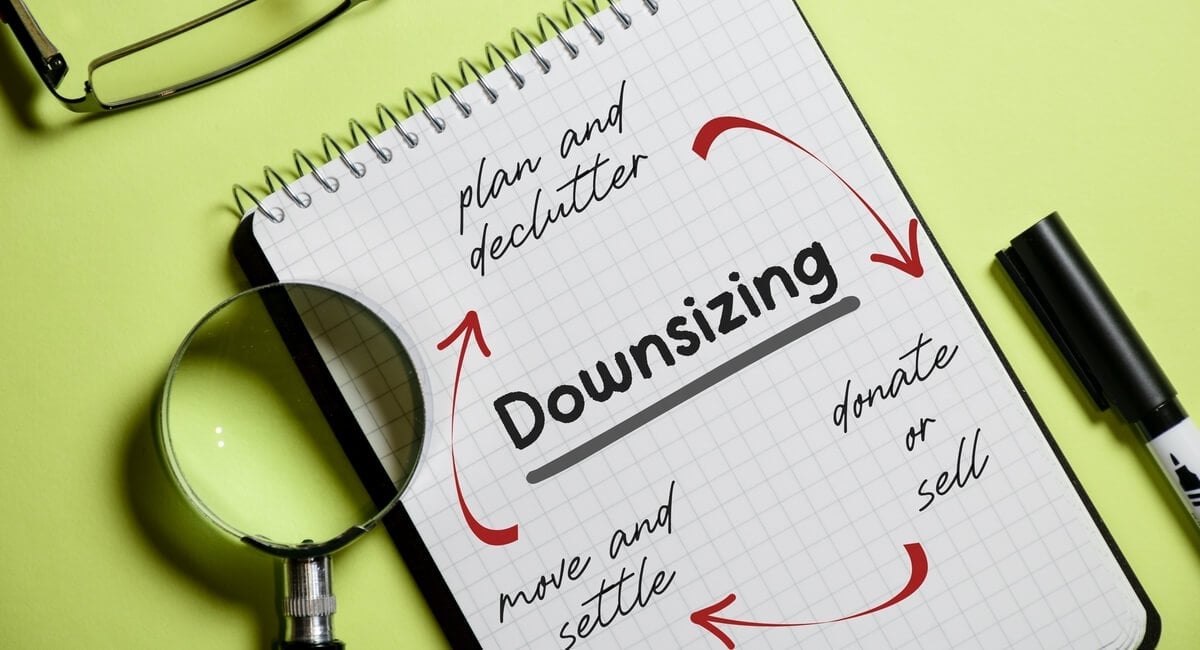
Downsizing isn’t about settling for less; it’s about living smarter. It’s about prioritizing experiences and financial security over square footage. If you find yourself feeling stretched thin by your current living situation, or simply yearn for a life with less stuff and more freedom, downsizing might just be the key to unlocking your path to a fulfilling future.

Saving money is one of the most common reasons homeowners downsize. Your mortgage is probably your biggest expense, and downsizing could save you hundreds of dollars per month.
Moving to a smaller home doesn’t always save you money. For instance, if mortgage rates have increased since you purchased your home, a new mortgage on a less expensive home could be similar to your current monthly payment. You might also break even if you move to a smaller house in a more expensive area. However, there are several ways downsizing does have the potential to reduce your expenses. Here are a few ways you could save money by downsizing:
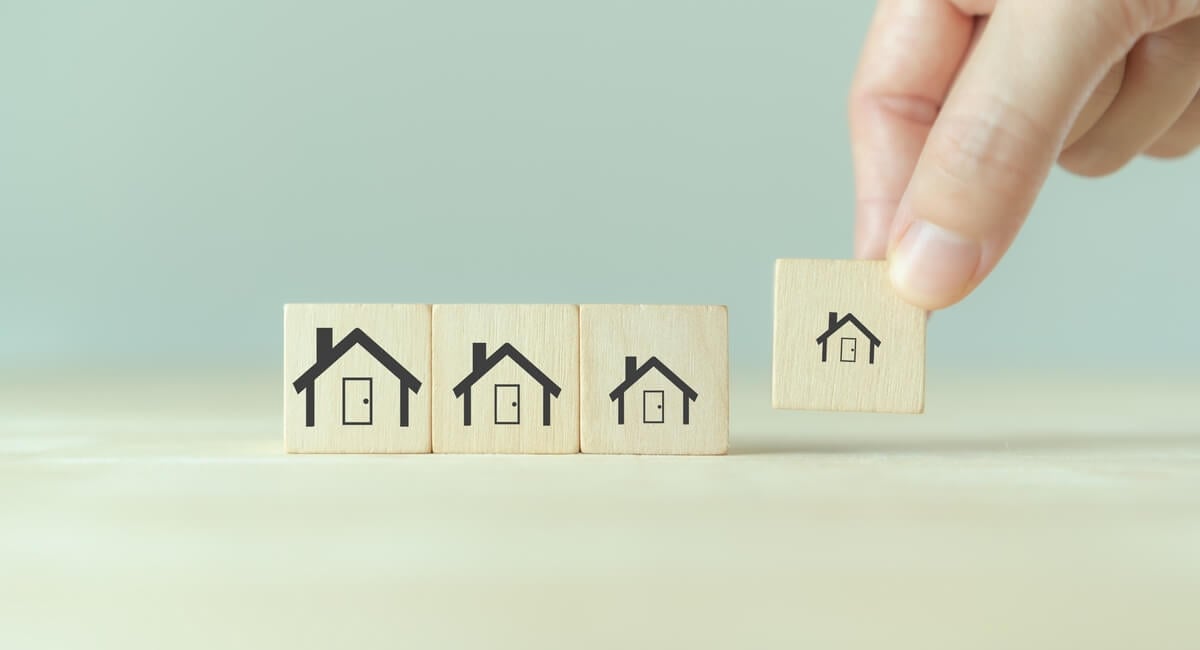
Moving to a less expensive home can reduce your mortgage payment significantly. If you use the equity in your current home to make a large down payment, you can cut down on your mortgage even more. Alternatively, buying a less expensive home could allow you to switch from a 30-year mortgage to a 15-year or 20-year loan. Paying off your house sooner will reduce the amount of money you spend on interest and will help you reach true financial freedom at a younger age.
Home insurance tends to be less expensive for smaller properties. Although rates vary depending on location, if you stay in the same area, you can almost guarantee that downsizing will save you money on insurance.
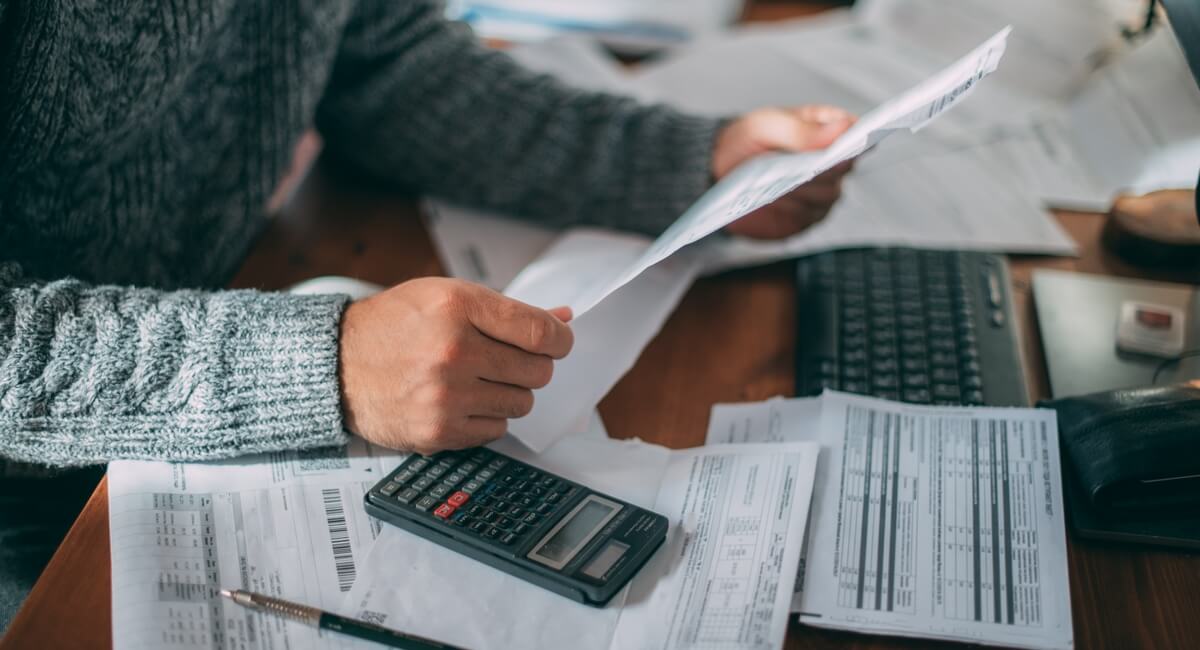
Another valuable benefit of downsizing is a reduction in your utility costs. Smaller homes require less energy to heat and cool, so you can save hundreds per year on your utility bills. You’ll also use less electricity when you have fewer rooms to occupy. If you move to a home with a smaller lawn, you can save on your water bill as well. In addition to saving you money, this also reduces your carbon footprint and allows you to live a more environmentally friendly life.

Property taxes vary by area, so your taxes could stay the same or even increase if you relocate to a more expensive city. In general, though, smaller homes have smaller tax bills because square footage is a key factor in calculating a property’s value. You continue paying property taxes even when your mortgage is paid off, so this is an especially long-term and valuable benefit to downsizing.
Reducing your mortgage, insurance, taxes, and utilities can free up a huge portion of your budget. You could use the extra funds to make additional payments toward the principal on your mortgage, or you could invest them for retirement. Parents sometimes downsize when their children go to college and use the extra money to pay the tuition. Many homeowners who downsize enjoy using the extra funds to travel or improve their overall quality of life.
Downsizing doesn’t just offer financial benefits. There can also be personal and practical advantages to moving into a smaller home. While some people love having large, spacious homes, others find more peace in simplicity. The following are some of the most valuable personal benefits you may find when downsizing:
Smaller homes are much easier to clean and maintain than larger properties. If you’re tired of spending hours cleaning every week, downsizing could be a very appealing option. Home maintenance can be simpler and less expensive, too. Downsizing to a property with a smaller lawn can also save you a lot of time and effort on yard work.
When you downsize on your home, you also need to downsize on your belongings. This is the perfect opportunity to get rid of unneeded items that have been accumulating in your house for years. You can sell your unwanted belongings, or you could offer them to friends or family who will make good use of them. Once you move into your smaller home, you now have to be much more careful and thoughtful with your purchases. Your space is precious, so it will be filled only with the things that add true value to your life.

Downsizing allows for a simpler and more flexible lifestyle overall. Because smaller properties are so much easier to maintain, you have more time to pursue hobbies, see friends and family, or do anything else that improves your quality of life. Many homeowners find that they feel less stressed and more mentally free after downsizing.

If you’re considering downsizing, there are a few important factors to keep in mind. Although downsizing can have many benefits, you have to be sure that it’s the right choice for you both financially and personally.
When downsizing for financial purposes, make sure to factor in the costs of moving. Closing costs when selling your home can amount to 5% to 10% of the selling price. Additionally, consider any upgrades or repairs you plan to make in your new home. You should be certain that downsizing will still save you money after all these expenses are accounted for.
Thinking long-term when downsizing is key, too. You probably know how much space you and your family need to be comfortable right now, but your circumstances could change over the years. Are you planning on having children in the future? Do you have aging parents who may move in with you? Do you currently have kids who will be moving out of the house soon? All of these situations can dramatically affect your housing needs, so you should be sure that the home you buy can accommodate these changes.
Downsizing can be a great way to ensure your financial security and simplify your life. You might not need a huge living space to be comfortable, and purchasing a smaller home will free up your money and time for other ventures. Moving is never a decision to take lightly, but if you’re looking for more flexibility and peace of mind, downsizing may be the answer. You can start by consulting with a real estate agent in your area to learn more about your options.
Stay up to date on the latest real estate trends.

Which is why any time a bank ends up taking possession of a home by means of a foreclosure.
If you absolutely must buy a home before you sell yours, you should at the very least do the following.

Sinking funds allow you to save up gradually for bills that you know will arrive in the future.
So if you wish to hold an open house, make sure you host an agent and broker only open house.

Financing
Funding Your Dream Home Renovations - HILLTOP Team

Real Estate
Buying a house with your partner is an incredibly exciting prospect, but it’s also a huge commitment.

When buying a home, the down payment and the monthly mortgage are only the beginning of your expenses.

Real Estate
The vast majority of millennial home buyers, especially young millennials, are first-time buyers.
In addition to all of the economic and practical reasons for purchasing a single-story home.