
The Pros And Cons Of Buying A Fixer-Upper
Jade Knight September 2, 2024
Jade Knight September 2, 2024
Buying a fixer-upper is one of the most popular ways to save money when purchasing a home. If you’re willing to invest the time, energy, and money into renovating a run-down house, a fixer-upper could be the perfect option for you. This strategy isn’t for everyone, though. Repairing a fixer-upper is an enormous commitment with a lot of risk.
Understanding the pros and cons of buying a fixer-upper will help you decide whether this route is worth it when buying your new home.
Purchasing a fixer-upper can be a great opportunity for homeowners who have the means to make the needed repairs and upgrades. The following are the most valuable benefits of purchasing a fixer-upper:
A lower purchase price is the most obvious and important advantage of investing in a fixer-upper. Because the house needs a lot of work, your down payment and monthly mortgage will be much smaller than it would be for a home of similar size in great condition.

In most cases, fixer-uppers are less competitive than homes in good condition. Because you don’t have to compete with so many other buyers, you may be able to negotiate a lower sale price or ask for certain contingencies. You’re less likely to end up in a bidding war, so your experience should be less stressful.

If you don’t have the financial means to buy a traditional house in your desired neighborhood, purchasing a fixer-upper could be a good alternative. This way, you don’t have to sacrifice location when buying your home. Investing in a fixer-upper is especially beneficial for first-time home buyers who are eyeing a specific location.
Renovating a home is almost guaranteed to increase its value. Although you have to put a lot of money into upgrading a fixer-upper, you’re likely to get a return on your investment if you eventually sell the property. This is especially true if you make upgrades and repairs that make the home comparable with the other properties in the neighborhood.

The control that you have over your home when renovating it is an important but often-overlooked benefit of buying a fixer-upper. You have the opportunity to turn the house into your dream home. You can choose the flooring, paint colors, countertops, lighting fixtures, and countless other features. If renovating the kitchen is your priority, you can start with that. If you want to upgrade the bathroom instead, you can. There are endless possibilities for transforming a fixer-upper, and you get to choose where the money goes.
A fixer-upper can be a good investment, but renovating one is not an easy feat. Before you buy a fixer-upper, you need to know exactly what you’re getting yourself into. Here are some of the downsides to consider:

Renovations are expensive, especially when you have to hire professional contractors. The purchase price of a fixer-upper may be low, but you could end up putting so much money into repairs and upgrades that you could have just bought a traditional home instead. If you plan to flip the house, you have to be certain that you’ll turn a profit, or you’ll have wasted your time, money, and effort for nothing.
Calculating the cost of renovating a fixer-upper is extremely difficult. You should have a general idea of what your desired upgrades will cost before you make an offer on the home, but something unexpected always comes along. It’s very easy to exceed your budget when repairing a fixer-upper, so experts recommend adding 10% to 25% to your budget to cover unexpected expenses.
Renovating a fixer-upper takes time. Many home buyers spend months or even years getting their house into good shape. Fixing up your home may feel like a second full-time job, which can be enormously stressful for yourself and your household. Although hiring contractors can cut down on your own time commitment, this adds to the total cost of the renovation.
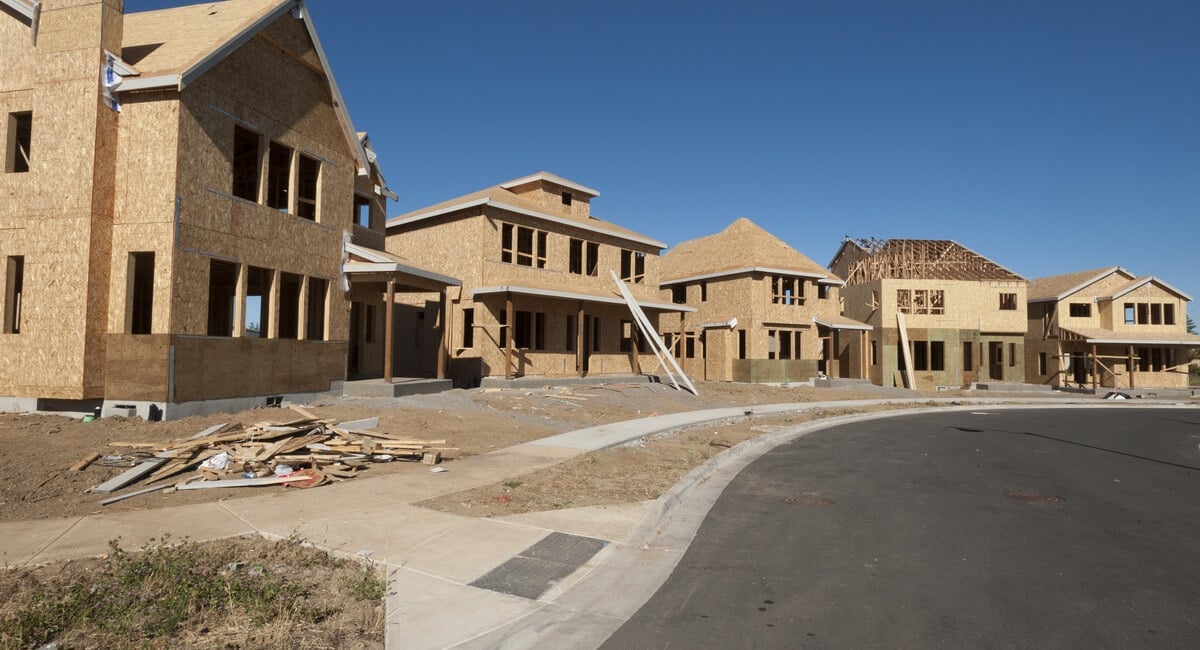
Because repairing a fixer-upper takes so much time, you should be prepared to live in a home under construction for several months. You can contain the chaos by only working on one room at a time, but living among the construction mess will be stressful regardless.
It’s almost a guarantee that at least one unexpected problem will arise when renovating a fixer-upper. You can prepare for this by adding extra funds to your budget. However, it’s difficult to manage the stress of these unplanned obstacles, especially when they extend the timeline of your renovation.
If you believe that buying a fixer-upper is the right opportunity, you should approach your home search carefully. Doing your due diligence before putting in an offer on a fixer-upper will reduce the risk of unplanned expenses.
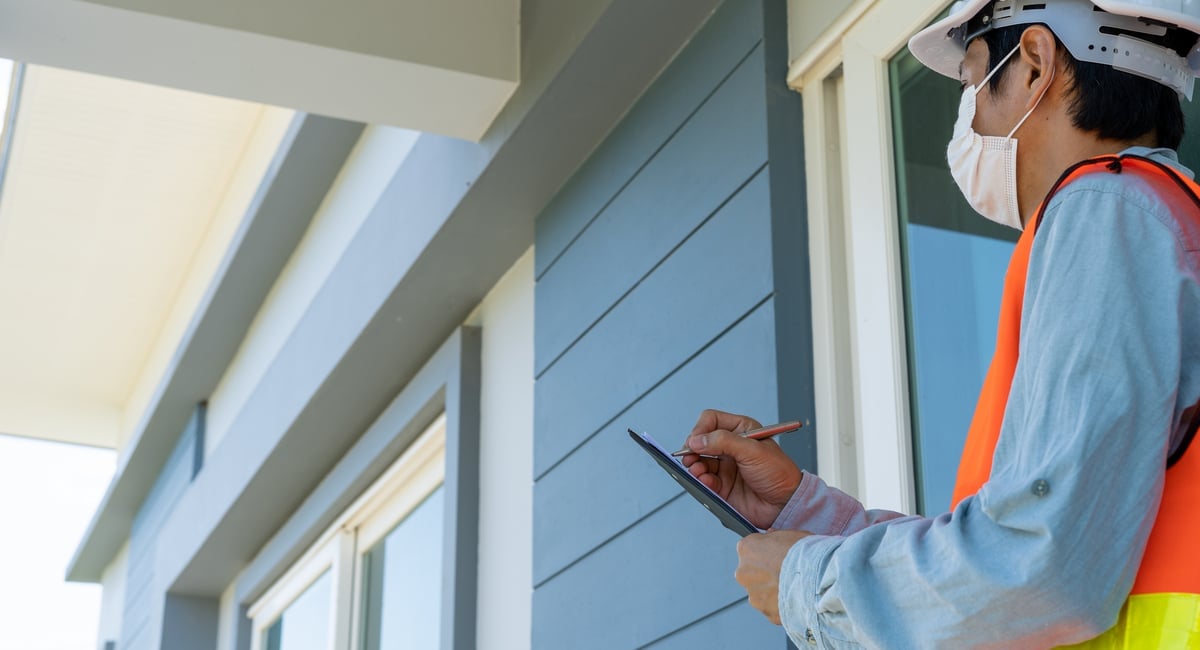
You should never waive the inspection when buying a fixer-upper. A home inspection costs a few hundred dollars, but it could potentially save you thousands by revealing problems with the property.
It’s difficult to create an exact budget for a home renovation, but you should try to get as close as possible before you make an offer on a home. Research the cost of materials and labor for each project you plan to complete, reaching out to contractors for quotes as needed.
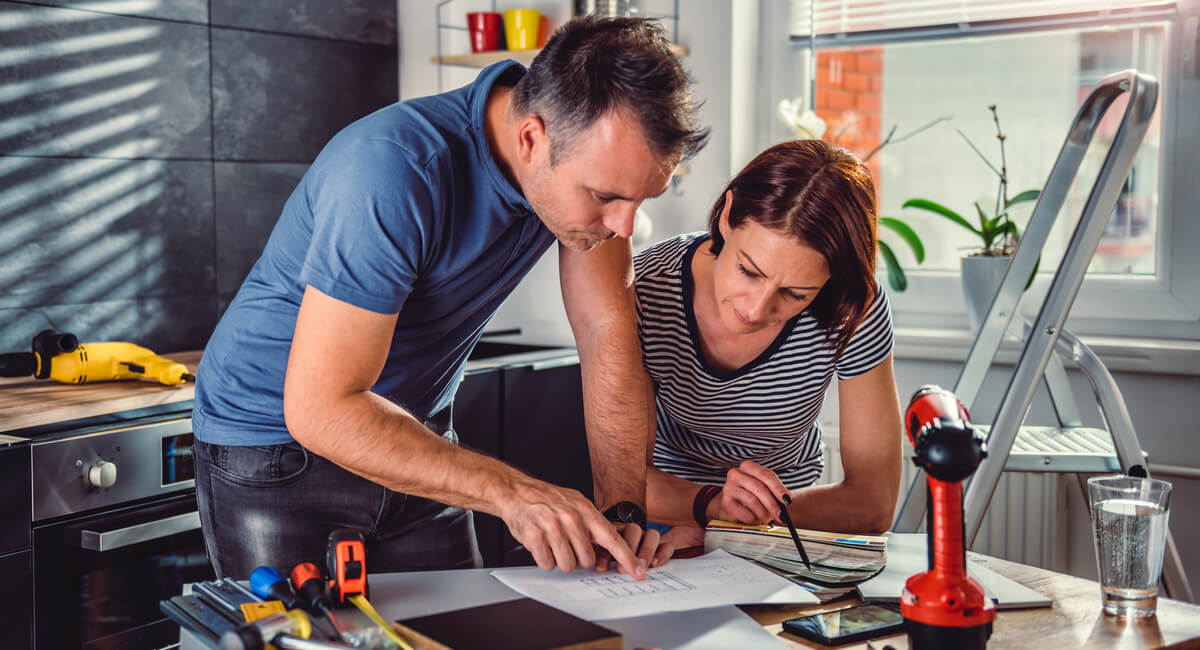
Completing repairs and upgrades on your own can save you a great deal of money. However, not all projects can or should be completed by a layperson. Be honest with yourself about which upgrades you can make by yourself and which you’ll need to hire a contractor for.
Some mortgage lenders offer specialized loans for homes in need of repair. These mortgages cover both the purchase price of the home and the cost of the renovations. Popular fixer-upper loans include the Fannie Mae HomeStyle Renovation Mortgage, the Freddie Mac CHOICERenovation, and the FHA 203(k) loan.
You and your real estate agent should consider the cost of the repairs when making an offer on a fixer-upper. Your offer should include a home inspection contingency, which will allow you to back out of the sale if the inspection reveals a major issue. Additionally, you should ask for an appraisal contingency, which lets you back out if the property appraises for less than you offered.
A fixer-upper can be a wise investment in the right circumstances, but you won’t always save money by buying one. The time, money, and energy it takes to renovate a fixer-upper should not be underestimated. You should be certain you’re up for the challenge before you put in an offer.
Stay up to date on the latest real estate trends.

Which is why any time a bank ends up taking possession of a home by means of a foreclosure.
If you absolutely must buy a home before you sell yours, you should at the very least do the following.

Sinking funds allow you to save up gradually for bills that you know will arrive in the future.
So if you wish to hold an open house, make sure you host an agent and broker only open house.
Financing
Funding Your Dream Home Renovations - HILLTOP Team

Real Estate
Buying a house with your partner is an incredibly exciting prospect, but it’s also a huge commitment.

When buying a home, the down payment and the monthly mortgage are only the beginning of your expenses.

Real Estate
The vast majority of millennial home buyers, especially young millennials, are first-time buyers.
In addition to all of the economic and practical reasons for purchasing a single-story home.